Home Repair Cost Guide: What Common Repairs Actually Cost in 2026
It was a Wednesday night. The AC stopped blowing cold air. The technician arrived the next morning, looked at the unit for about eight minutes, and handed over a quote for a number that felt completely made up.
Was it a fair price? Too high? A normal amount for this type of repair? There was no way to know. The house was hot. The kids were home. So the work got approved. No questions asked. That is how most homeowners experience their first real repair bill. Not because they are careless. Because nobody told them what this stuff actually costs until it breaks.
A Cost Repair Guide exists to fix that exact problem. This site covers common home repair cost ranges for HVAC, plumbing, garage doors, roofing, electrical work, appliances, windows, pest control, flooring, and foundation repairs. Every guide explains average price ranges, cost factors, and what questions to ask before saying yes.
You do not need to know everything. You just need enough to ask one better question before you approve the work.
Browse Home Repair Cost Guides by Category
Start with the section that matches your repair. Each category below covers a different part of your home. Some repairs are simple and low-cost. Others need licensed labor, permits, special tools, or fast service.
The goal here is not to overwhelm you with numbers. The goal is to help you understand what drives the final bill. Once you know the main cost factors, any quote becomes easier to read.
HVAC Repair Costs
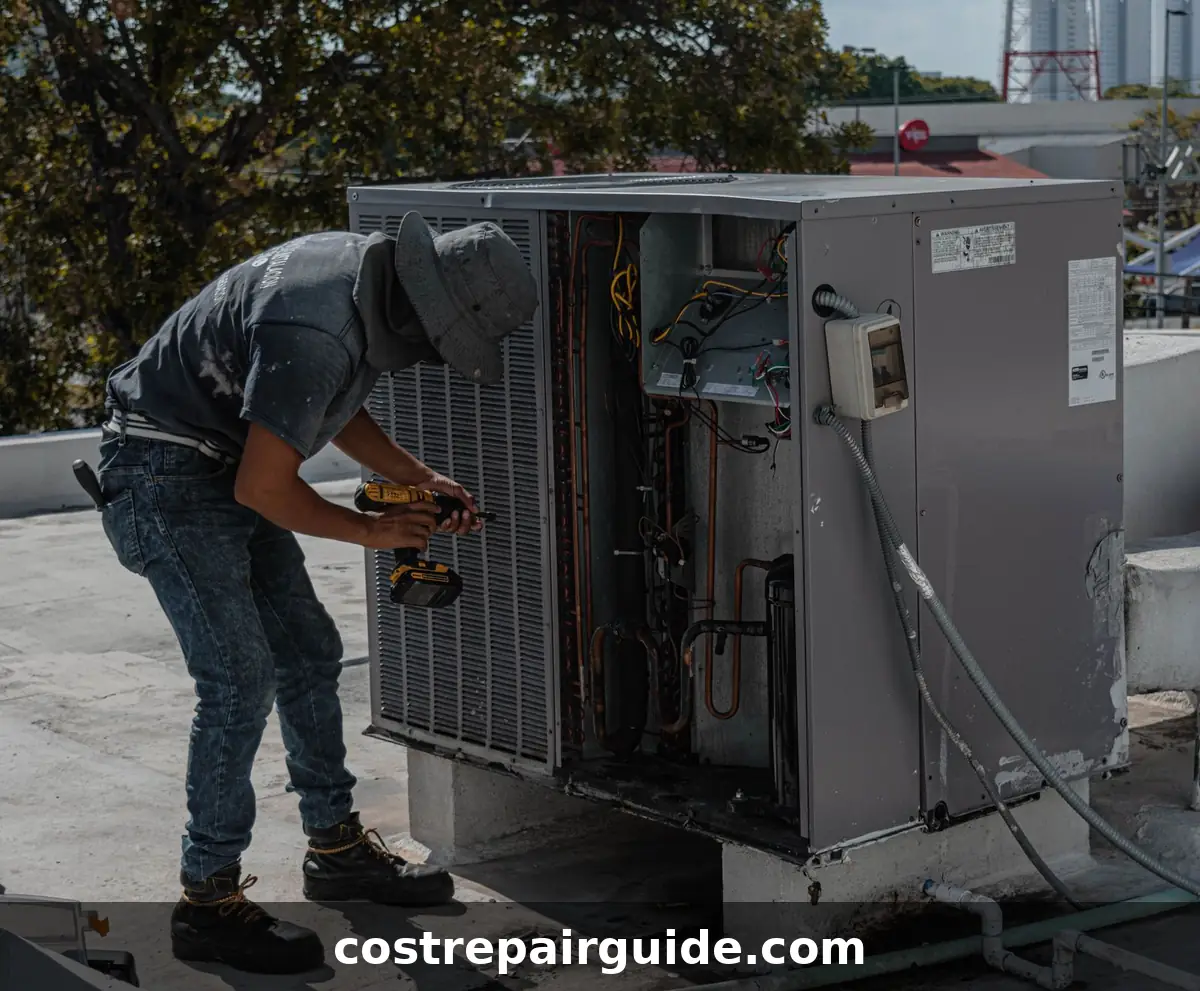
Heating and cooling repairs can jump in price fast, depending on which part fails. A bad capacitor may cost a fraction of what a compressor replacement costs. A standard service visit costs less than an emergency night call. A furnace issue can also run higher when gas, wiring, or safety components are part of the fix.
Use these guides when your AC blows warm air, your furnace refuses to start, or your system keeps short cycling. Knowing the normal price range before the technician arrives makes a real difference.
Popular HVAC guides
Plumbing Repair Costs
Plumbing problems feel urgent because water damage does not wait. A slow drain may be a simple fix. A sewer line issue is a different conversation. A water heater that starts leaking might need one part, or it might be telling you something bigger is wrong.
Our plumbing guides break down common repair costs in plain language. They cover hourly plumber rates, service call fees, drain cleaning, water heater repairs, and sewer work. Use them before you approve any plumbing quote so you understand what you are paying for.
Popular plumbing guides
Garage Door Repair Costs
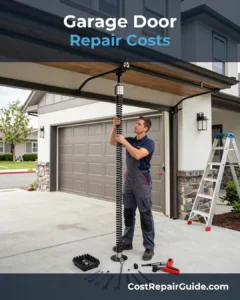
Garage door problems are hard to ignore. A door that will not open, a spring that snaps, or an opener that hums without moving the door can leave your car stuck and your home less secure. Some fixes are simple, like sensor alignment or weatherstripping. Others, like spring or cable replacement, are best left to a professional.
Our garage door guides break down common repair and replacement costs in plain language. They cover springs, cables, rollers, openers, panels, and full door replacement. Use them before you approve any garage door quote so you understand what you are paying for.
Popular garage door guides
Electrical Repair Costs
Electrical problems are hard to ignore. A breaker that keeps tripping, an outlet that stops working, or a panel that is out of capacity can leave part of your home without power and raise real safety concerns. Some fixes are simple, like replacing an outlet or a light fixture. Others, like panel replacement or whole house rewiring, are best left to a licensed electrician.
Our electrical guides break down common repair and installation costs in plain language. They cover outlets, breakers, lighting, panels, rewiring, EV chargers, and generators. Use them before you approve any electrical quote so you understand what you are paying for.

Popular electrical guides
What Affects Home Repair Costs?
Most repair prices shift because of a handful of factors. Once you understand these, any contractor quote starts to make more sense.
Labor Cost
Labor is usually the largest portion of the bill. A quick fix may take under an hour. A harder job might need two workers, special tools, or multiple visits. Licensed trades charge different rates. Electricians, plumbers, HVAC technicians, and roofers each carry different hourly costs depending on your region.
Parts and Materials
Some parts are inexpensive. Others are not. An AC capacitor costs far less than a compressor. A few roof shingles cost far less than structural decking. Always confirm whether the quote includes both parts and labor before you approve anything.
Service Call Fees
Most companies charge a service call fee just to show up, diagnose the problem, and give you a quote. Some apply it toward the final repair bill. Others keep it as a separate charge. Ask this question before the truck rolls up, not after.
Emergency and After-Hours Service
Weekend calls, holiday visits, and same-day emergency service almost always cost more. This is normal for plumbing, HVAC, garage door, and electrical work. If the repair can safely wait until business hours, that decision alone can save money.
Access and Job Difficulty
Easy access lowers labor time. Hard access raises it. Replacing an outlet on an open wall is fast. Rewiring inside a finished wall is not. A roof leak at the edge costs less to fix than one buried under a complex roofline. Access affects price across almost every category on this site.
Home Age and Hidden Conditions
Older homes can create surprise costs that have nothing to do with the contractor trying to upsell you. Old wiring, corroded plumbing, damaged framing, or hidden water damage can all change the scope of a job once a wall or panel is opened. It happens. Knowing it can happen helps you ask the right question before work begins: What could make this cost more than the estimate?
Repair or Replace? How to Think About It
This question comes up in almost every category on this site. And the honest answer is that it depends on three things: how old the system is, how much the repair costs compared to a replacement, and how often problems have happened.
A repair usually makes sense when the system is newer, the failed part is affordable, and the problem is isolated. Replacement starts to make sense when the system is aging, repairs keep happening, or the major part costs more than half of a new unit.
Here is a simple way to think about it. Before approving any major repair, ask the technician one question: How much life should I expect from this system after this repair? That answer tells you more than the quote does.

A Quick Confession About Getting Repair Quotes
Here is something most homeowners figure out the hard way. The first quote can feel completely official even when you have no context for whether it is fair. The technician is standing in front of you. The system is broken. The house is uncomfortable. Nobody has time to research anything at that moment.
That is exactly when the most expensive mistakes happen. You forget to ask if parts have a warranty. You forget to ask whether labor is included. You do not ask if replacement might actually be the smarter financial decision. You just say yes because the pressure is real.
This site exists for that exact moment. Before that moment, ideally. But even if you have a quote in hand right now, you can still check the range, compare the factors, and go back with one clearer question. That one question has saved homeowners hundreds of dollars more than once.
How to Use Cost Repair Guide
This site works best when you use it before and after getting a quote. Here is a simple process that takes about five minutes.
Choose Your Repair Category
Start with the section that matches your home problem: HVAC or plumbing. Pick the one closest to your situation. (More categories are being added.)
Read the Matching Cost Guide
Open the guide that fits your specific repair. Focus on the average price range, the cost table, and the main cost factors. You do not need to read every detail. Read the parts that match your situation.
Note the Cost Range and Key Factors
Write down the low end, the high end, and the top two or three things that move the price in either direction. This is your reference point when the contractor’s quote arrives.
Ask One Better Question
Before you approve the work, ask the contractor one more question. What could make this repair cost more than the current estimate? That answer will tell you a lot about whether the quote is complete or not.
Common Mistakes Homeowners Make With Repair Costs
Approving a Total Price Without a Breakdown
A single number tells you very little. A breakdown tells you whether the labor, parts, service fee, and any add-on charges are all reasonable. Ask for the breakdown before you sign off.
Waiting Too Long on Water Damage
Slow leaks become expensive leaks. A small plumbing issue or a minor roof leak that gets ignored for a few months can turn into a flooring, drywall, or mold problem. The longer water sits, the more the repair bill grows.
Ignoring Safety Warning Signs
Burning smells, electrical buzzing, gas odors, sparking outlets, and smoke are not cost-effective situations. They are stop-what-you-are-doing-and-call-someone situations. Do not use a repair cost guide to talk yourself out of acting on a safety signal.
Choosing the Cheapest Quote Without Asking Why It Is Lower
A lower price can mean efficiency and experience. It can also mean skipped permits, missing warranties, or cut-rate parts. Before you go with the lowest number, ask what the other quotes included that this one does not.
Repairing the Same System Over and Over
Repeated repairs on an aging system add up fast. If the same unit has broken three times in two years, the repair-versus-replacement conversation is overdue. Add up what you have already spent and compare it to a new unit cost.
Frequently Asked Questions About Home Repair Costs
Start With the Repair You Need to Price
A repair quote is less stressful when you already know what normal looks like. You do not need to become an expert. You just need enough to ask one clear question before you approve the work.
Choose a category below and start with the guide that matches your problem.
What repair are you trying to price right now before calling a pro? Drop it in the comments below.